Research
Research themes
Synthetic biology is an interdisciplinary discipline that merges the principles of engineering, computer science, and molecular biology to design, modify, and construct new biological systems or organisms. It uses the standardized assembly of DNA parts to reprogram living systems or create novel cellular functions. These programmable cells serve as predictable biological factories capable of addressing major global challenges, from manufacturing tailored medical biotherapies to environmental decontamination and sustainable bioenergy production.
Synthetic genomics uses the principles of engineering and molecular biology to design, modify, and chemically synthesize entire chromosomes or bacterial genomes. The goal is to learn the rules governing the global functioning of cells and to create organisms with novel properties.
Systems biology is an interdisciplinary approach that studies the dynamic interactions between all components of an organism (genes, proteins, metabolites) rather than analyzing them in isolation. By combining molecular biology, bioinformatics, and mathematical modeling, it predicts the global behavior of cells. This field makes it possible to understand the mechanisms of complex diseases, identify new therapeutic targets, and guide the design of optimized cellular circuits.
This research area uses automated systems and robots to execute, optimize, and accelerate laboratory experimentation. By combining microfluidics, robotic arms, and artificial intelligence, this approach enables high-throughput sample handling with excellent precision and reproducibility. It transforms research by automating molecular screening, continuous cell culture, and the standardized assembly of DNA fragments for synthetic biology.
Research projects
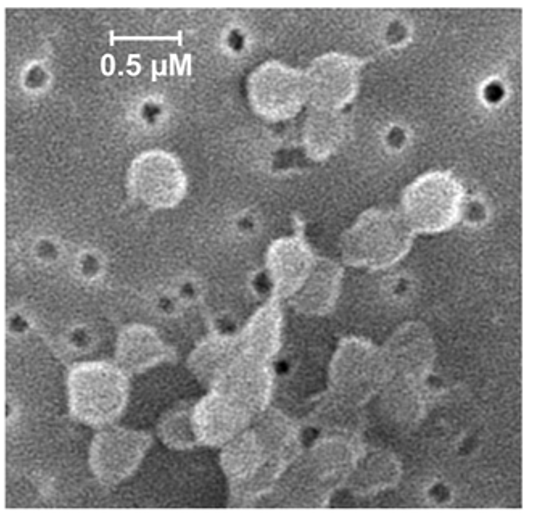
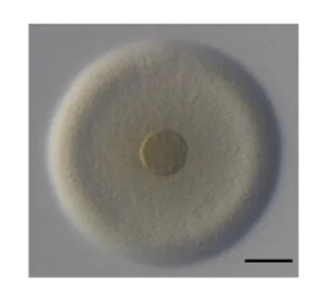
Mesoplasma florum is a small, ovoid, near-minimal and non-pathogenic bacterium of the Mollicutes class initially described as Acholeplasma florum in 1984 by McCoy and colleagues. Derived from low-GC Gram-positive bacteria, M. florum has lost its ability to synthesize many metabolites through massive gene loss events, resulting in one of the smallest genomes (<800 kb) and simplest metabolisms found in free-living microorganisms. For example, this bacterium does not have a cell wall, and produces energy exclusively through glycolysis and fermentation. Yet, M. florum shows a remarkably fast growth rate in vitro, and can be grown using standard laboratory settings. This microorganism also uses an alternative genetic code which limits undesired exchange of genetic material with other microorganisms.
Altogether, these distinctive features place M. florum as a prime candidate for synthetic and systems biology efforts and applications. Here are some examples of research projects related to M. florum currently ongoing in the Rodrigue laboratory:
- Recoding and refactoring of the M. florum genome
- High-throughput investigation of M. florum gene essentiality
- Development of genetic engineering and genome transplantation tools for M. florum
- Development of mimetic antibody secretion systems
- Development of defined and semi-defined culture media for M. florum
- Whole-cell modeling approaches
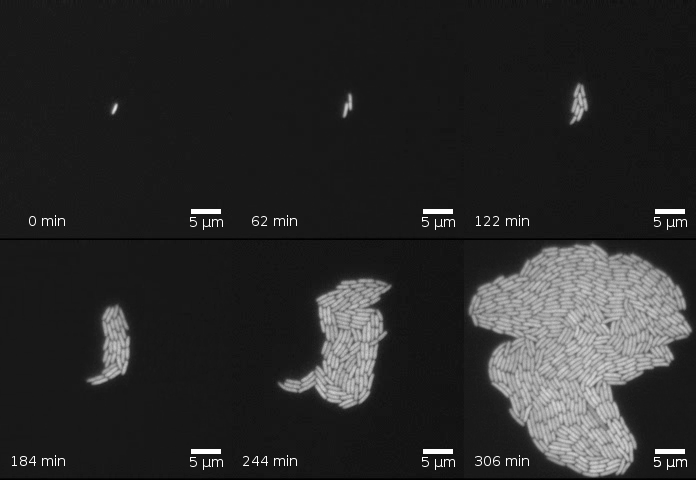
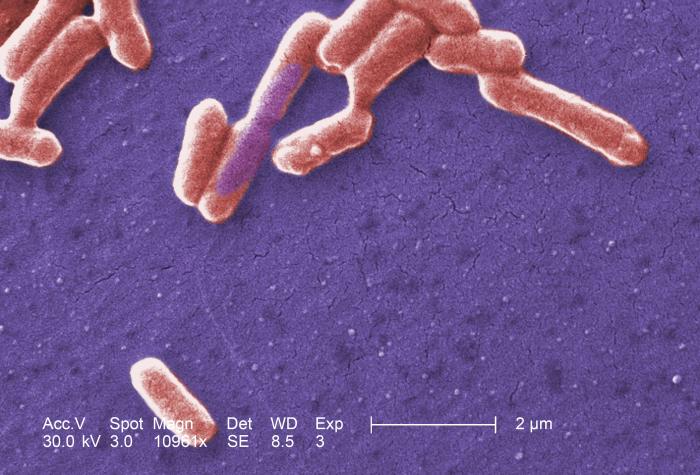
Escherichia coli is a Gram-negative, rod-shaped bacterium and is probably the most studied model organism to date, making it a cornerstone of synthetic and systems biology. Its popularity is based on an exhaustive mapping of its genome and metabolism, an ultra-fast division rate, and an immense molecular toolkit already optimized for its manipulation. Furthermore, its great metabolic flexibility allows for the easy integration of foreign genetic circuits and biosynthetic pathways to develop various applications in synthetic biology.
Our laboratory uses a wide variety of E. coli strains to investigate different research questions. This includes standard laboratory strains like MG1655, the genetic reference model, and BW25113, the parent strain of the Keio mutant collection. We also exploit reduced-genome chassis like DGF-298, an optimized strain in which 36% of the non-essential chromosome has been eliminated to provide a more stable and predictable cellular platform.
Here are a few examples of research projects currently being conducted in the Rodrigue laboratory related to the E. coli bacterium:
- Study of synthetic lethality
- Recoding, reduction, and refactorization of the E. coli genome
- Development of synthesis and assembly tools for large DNA fragments
- Decomposition of the culture medium and impact on gene expression and essentiality
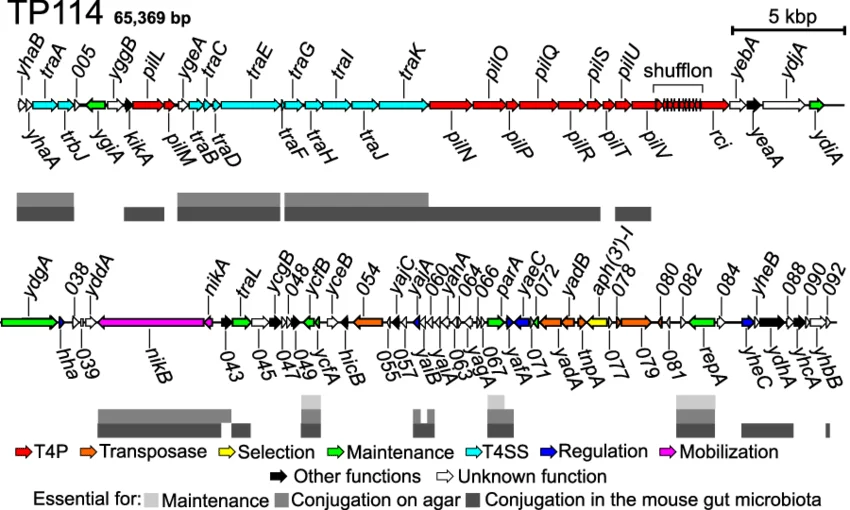
Conjugative plasmid TP114 belongs to the IncI2 incompatibility group and is a major model for studying horizontal gene transfer due to its exceptional in situ conjugation efficiency. Its highly efficient transfer relies on an accessory type IVb pilus that stabilizes bacteria during conjugation. This system integrates a highly dynamic DNA recombination region called a shufflon, which varies the structure of the PilV adhesin to specifically modify the plasmid's affinity for recipient cell surface receptors. Due to this ultra-efficient transfer machinery, the TP114 plasmid represents a highly interesting substrate for synthetic biology applications, notably as a therapeutic chassis to design programmable conjugative vectors for the targeted delivery of CRISPR-Cas systems capable of specifically eliminating antibiotic-resistant bacteria.
Examples of research projects within the Rodrigue laboratory regarding the TP114 plasmid:
- Integrative study of TP114 gene expression regulation
- Detailed mapping of TP114 genetic elements
- Creation of a systematic single gene deletion library of TP114 plasmid
- Engineering of the TP114 plasmid for therapeutic applications
- In-depth characterization of TP114 plasmid transfer, replication, and exclusion mechanisms

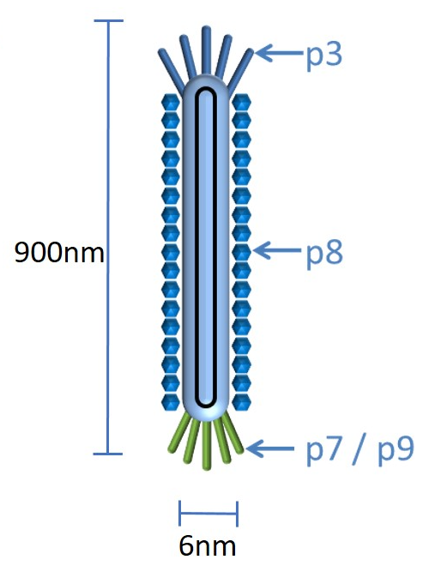
The M13 bacteriophage is a single-stranded DNA filamentous virus that infects Gram-negative bacteria via the F-pilus without causing cell lysis, allowing for the continuous secretion of virions without releasing contaminating endotoxins. In synthetic biology and therapeutics, it constitutes a model of major interest thanks to phage display technology, which allows the exhibition of peptides or antibodies fused to its surface proteins for screening high-affinity molecules. Its flexible capsid naturally adjusts to the size of its modified genome, making it an ideal programmable vector to deliver therapeutic genetic circuits or targeted CRISPR-Cas systems. Furthermore, its rigid and surface-modifiable nanofiber structure enables its use as a nanotechnological scaffold to design biosensors, biomedical nanomaterials, and advanced tumor-targeting systems.
Despite its immense potential in synthetic biology, the global molecular characterization of the M13 bacteriophage relies on studies conducted over 40 years ago with outdated technologies. Entirely reassessing this biological model using recent, cutting-edge techniques—such as next-generation high-throughput sequencing and advanced transcriptomics—would yield a much more precise characterization of its molecular mechanisms.
At the Rodrigue laboratory, our goals include to:
- Establish an integrative and highly detailed characterization of the M13 bacteriophage using modern techniques
- Define the essential elements of its genome using transposon mutagenesis
- Study M13 mechanisms of infection, replication, partitioning, and exclusion
- Develop M13 synthetic variants